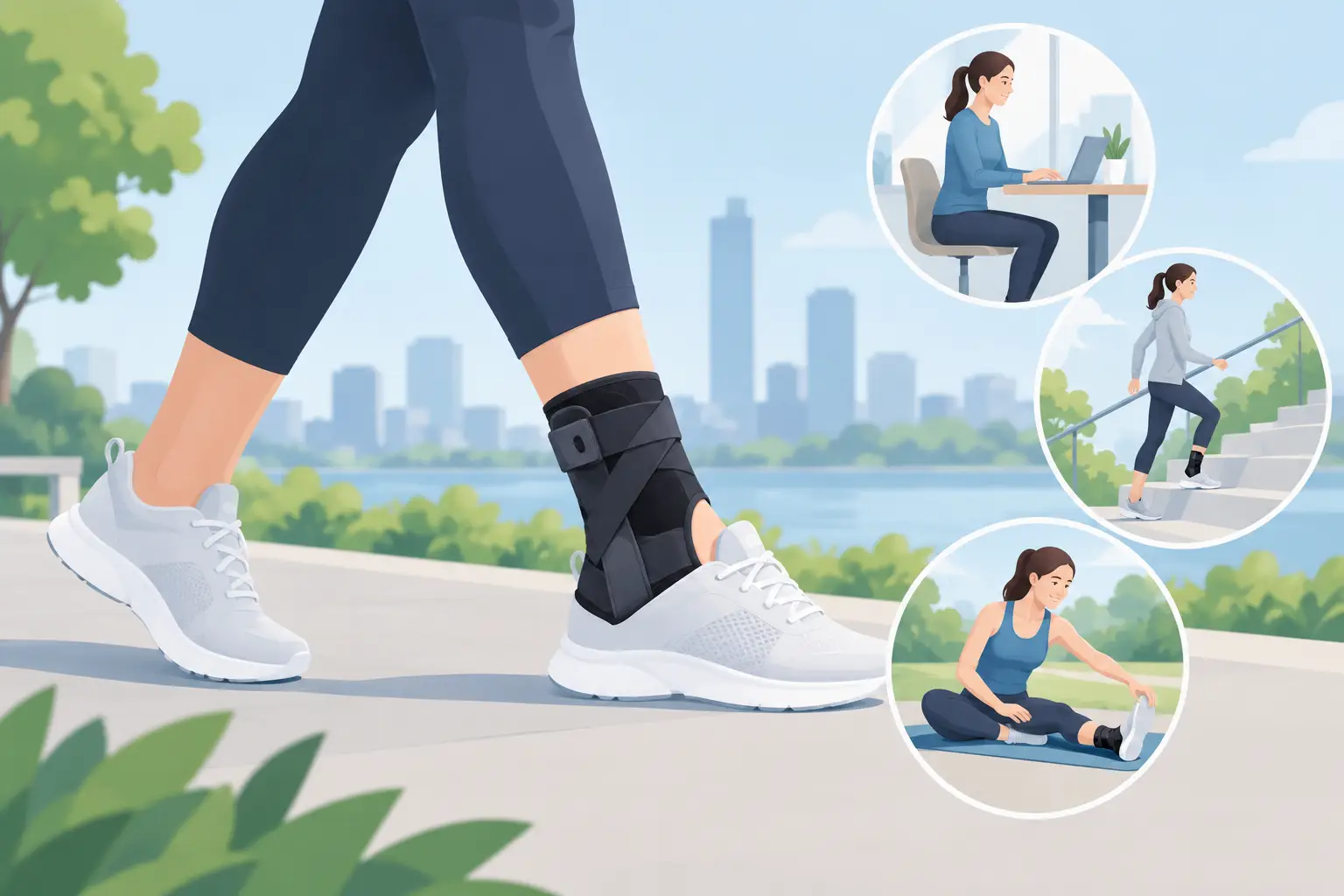
Falls often happen not during strenuous activity, but on the way to the toilet at night, when getting into the shower or when standing up from a chair that is too low. The best products for reducing fall risk address these everyday situations. They provide support, improve orientation and make movement easier without unnecessarily limiting independence.
The right aid depends on more than just age. Mobility, balance, strength, eyesight, living situation and any medical conditions are all important factors. After an operation, a person may temporarily need a different product than someone with a permanent mobility impairment, Parkinson’s disease, dizziness or dementia. The same applies to family members and professional caregivers: a suitable aid not only reduces the risk of falls, but also makes it easier to provide safe support in everyday care.
Assess fall risk before choosing products
The most effective support begins with a careful look at situations that may pose a risk. Unsteady walking, holding onto furniture, repeated tripping, pain when standing up or fear of going to the bathroom are clear warning signs. Medications that cause drowsiness or circulation problems, as well as ill-fitting shoes, can also play a role.
Not every product is suitable for every need. A grab bar only helps if it is securely mounted in the right place and the person can grip it safely. A rollator only provides support if its height, width, brakes and wheels are suited to the user and their home. If falls happen repeatedly, walking is significantly unsteady or new neurological symptoms arise, product selection should be discussed with a doctor, physiotherapist or occupational therapist. They can also advise whether an aid can be prescribed.
Best products to reduce fall risk in the bathroom
The bathroom is one of the most common places for accidents at home. Wet floors, slippery surfaces, confined spaces and the need to transfer when showering or using the toilet all come together here. A single measure is often not enough. A combination of a secure stance, reliable handholds and a seat is recommended.
Grab bars and drop-down support rails
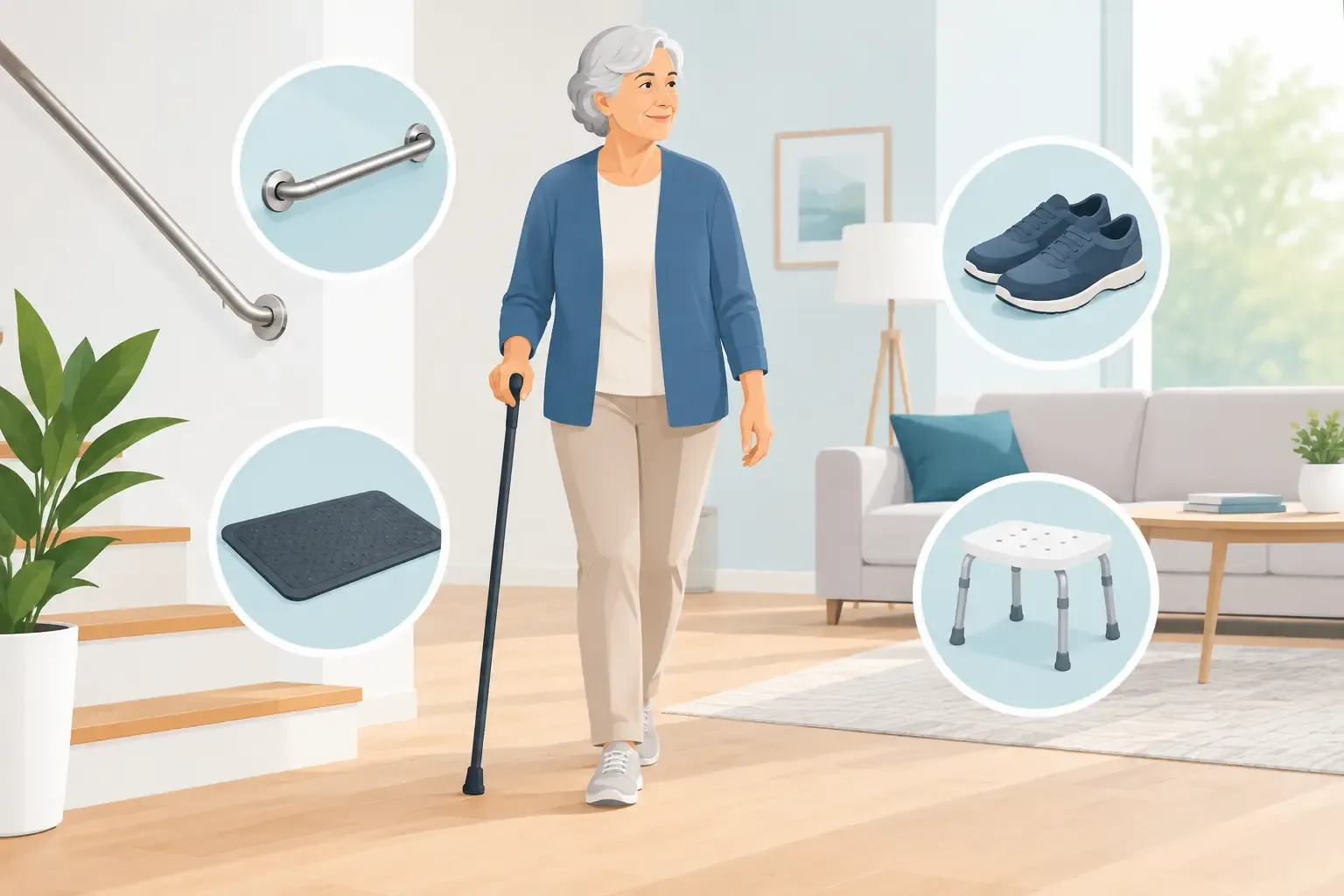
Fixed grab bars provide support when sitting down, standing up and turning. They are particularly useful next to the toilet, in the shower and by the bathtub. Models with a textured surface can provide a more secure grip with wet hands. They must be properly secured to a suitable supporting surface. Suction-cup grab bars can provide support when travelling or for short-term use, but they are not a substitute for a fixed grab bar when ongoing, reliable support is needed.
Drop-down support rails next to the toilet provide greater freedom of movement because they can be folded up when not in use. They are particularly suitable for people who need lateral support during transfers or assistance from a caregiver.
Shower stool, shower chair and bathtub transfer bench
A shower stool allows users to shower while seated and reduces the strain on those with limited endurance or difficulty standing steadily. A shower chair with a backrest and armrests offers more support when sitting down and standing up. The right option depends on the available space and trunk stability. Adjustable legs make it possible to set a suitable seat height, and the feet must provide a secure grip on the floor.
For the bathtub, bath boards or bath seats are often more practical than a complete renovation. They make it easier to transfer over the edge of the tub. If leg strength is no longer sufficient to get in, a bath lift may be a safer alternative. Before choosing one, check that the shape of the tub, body weight and mobility are compatible with the model.
Raised toilet seats and toilet aids
Low seats require considerable strength in the hips and knees. A raised toilet seat reduces the distance when sitting down and standing up. Models with armrests provide additional support, but require enough space at the sides. For people with severely limited mobility, a commode chair can be a practical solution at night or in rooms without a nearby toilet. Stability, brakes, hygiene and ease of cleaning are key considerations.
Safe mobility at home
People who feel unsteady when walking do not necessarily need a rollator straight away. For mild limitations, a properly adjusted walking stick or forearm crutches may be sufficient. However, they require coordination and adequate hand strength. A stick with a handle that is too low or too high encourages poor posture and can even reduce safety.
Choosing the right rollator
A rollator provides a wide base of support and, depending on the model, can also serve as a seat or transport aid. For indoor use, compact, manoeuvrable models are an advantage. For outdoor use, larger wheels, a reliable parking brake and sturdy construction help with kerbs and uneven paths. Weight involves a trade-off: lightweight rollators are easier to lift and load, while very sturdy models may offer greater safety for people with higher body weight or pronounced gait instability.
The handle height must be adjusted to the individual. When standing upright, the user should be able to reach the handles without raising their shoulders. It is not enough for brakes to be present; they must also be checked regularly to ensure they work properly. A rollator is not a seat while in motion and must always be secured before sitting down.
Rising aids for beds, armchairs and sofas
Many falls happen when first standing up, especially in the morning or after sitting for a long time. Bed levers, bed rails and rising aids provide support and make transfers more controlled. Bed rails must be securely attached to the bed frame, and the mattress height must be taken into account. There must not be a dangerous gap between the rail and the mattress.
Seat raisers and lift chairs can help people with limited hip or knee strength. However, they are no substitute for exercise or medical assessment if weakness comes on suddenly. In care settings, transfers should also be organised so that people receiving care can participate actively without being overwhelmed.
Small products with a big impact on safety
Not every effective measure requires a complex aid. Non-slip mats in the bathroom, anti-slip strips in the shower and bathtub, and stable doormats at entrances reduce common slipping and tripping hazards. Loose rugs, raised edges and exposed cables should instead be removed or secured. Walkways must remain wide enough, especially when using a rollator or walking stick.
Good lighting is also an essential part of fall prevention. Motion sensors in the hallway, a night light between the bed and bathroom, and easily accessible light switches improve orientation. High-contrast markings on steps or thresholds can help people with impaired vision. Anyone who needs to use the toilet frequently at night benefits from a clear, obstacle-free route and suitable slippers with firm, non-slip soles.
Reaching aids and dressing aids can also help prevent falls indirectly. They avoid risky bending, stretching or balancing when getting dressed and picking things up. It is important that the grabber is long enough for the intended use and can hold objects securely.
Planning support for everyday life and professional care
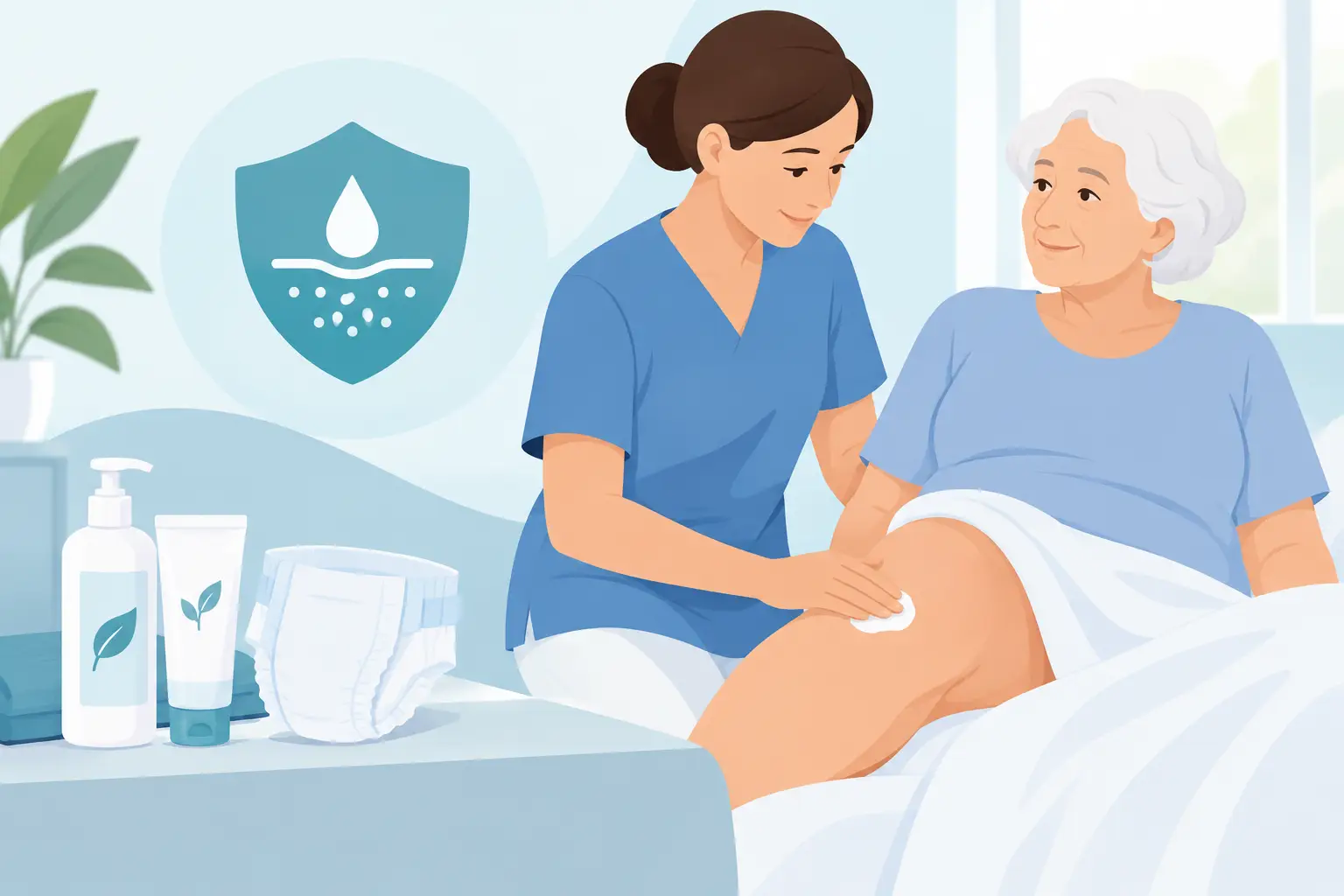
In care homes and facilities, fall prevention should be part of a regular routine. This includes regularly inspecting walking aids, checking rubber feet and brakes, and adapting the environment to the person’s current mobility. An aid that was suitable six months ago may no longer be appropriate after an illness, a change in weight or a period of rehabilitation.
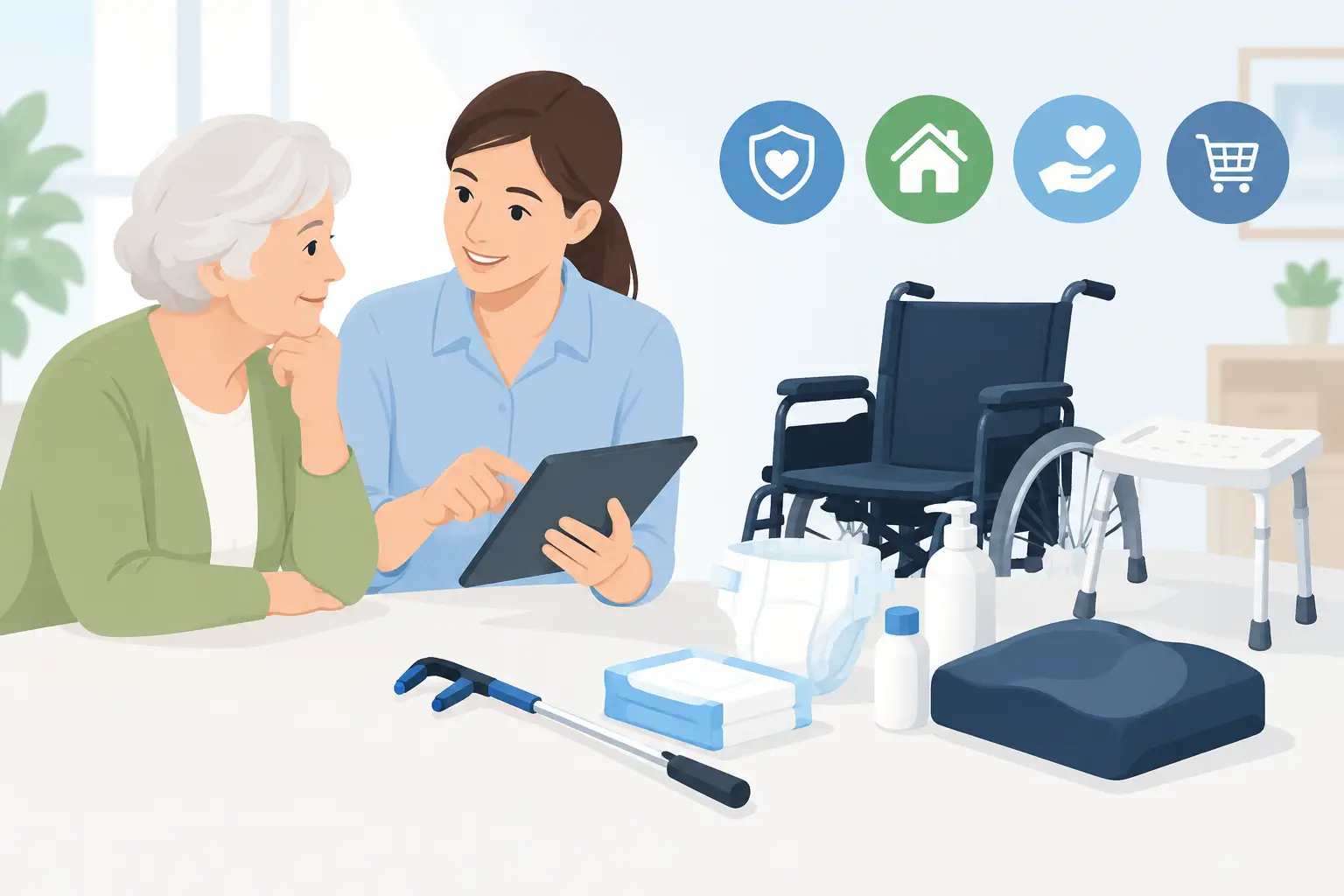
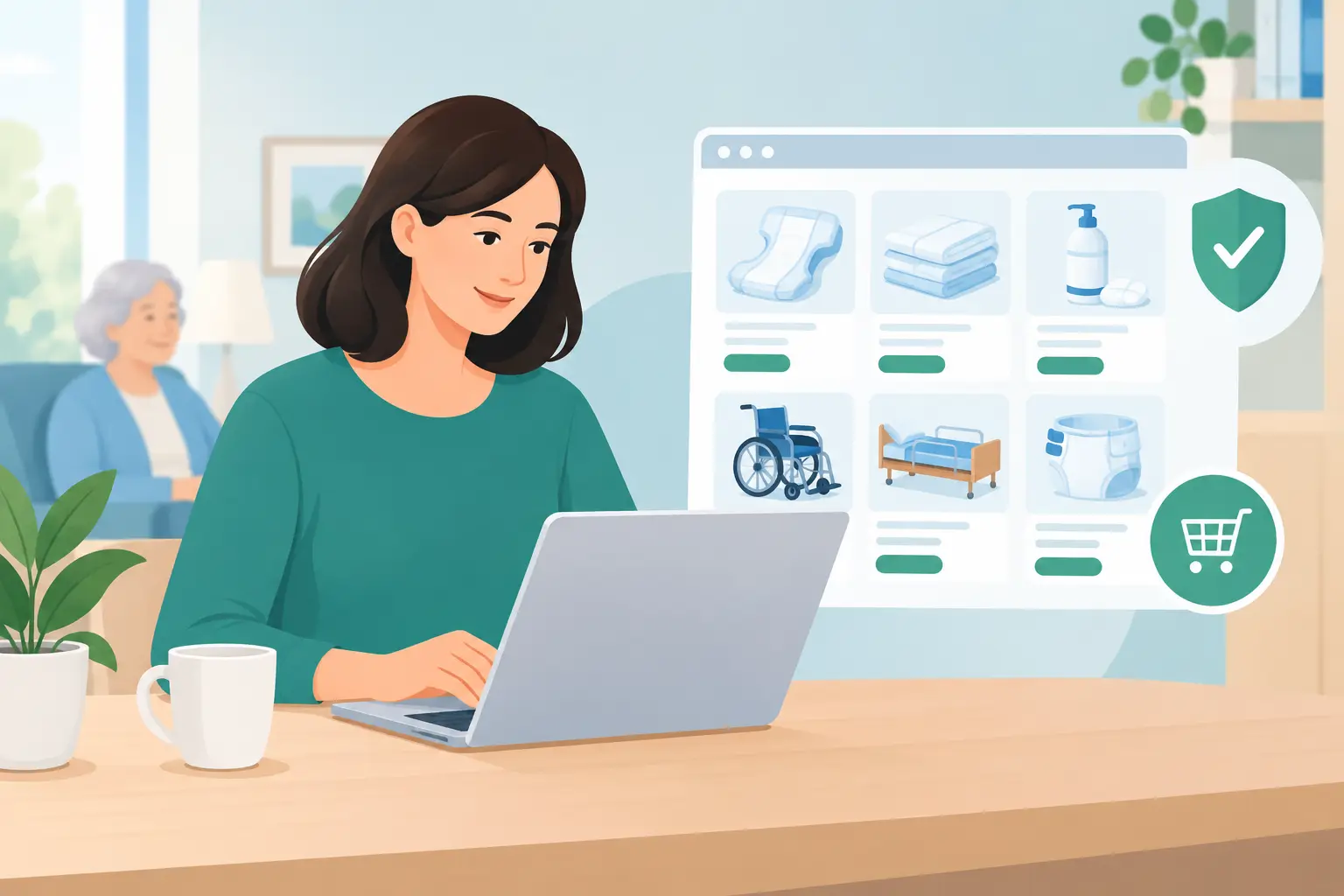
For prescribed aids, medical necessity, provision requirements and any approvals required by the funding provider must be taken into account. Servomed supports you in putting together a suitable selection of products for bathrooms, mobility, care and safety at home from its wide-ranging range. For professional procurement, durable construction, hygienic reprocessing and the availability of spare parts are also important.
Ultimately, the best safety measure is the one that is used every day. So choose aids not only for their features, but also for whether they are easy to understand, comfortable and reliable to use in the person’s daily routine. A secure handhold in the right place can inspire more confidence than a complex solution that goes unused.